
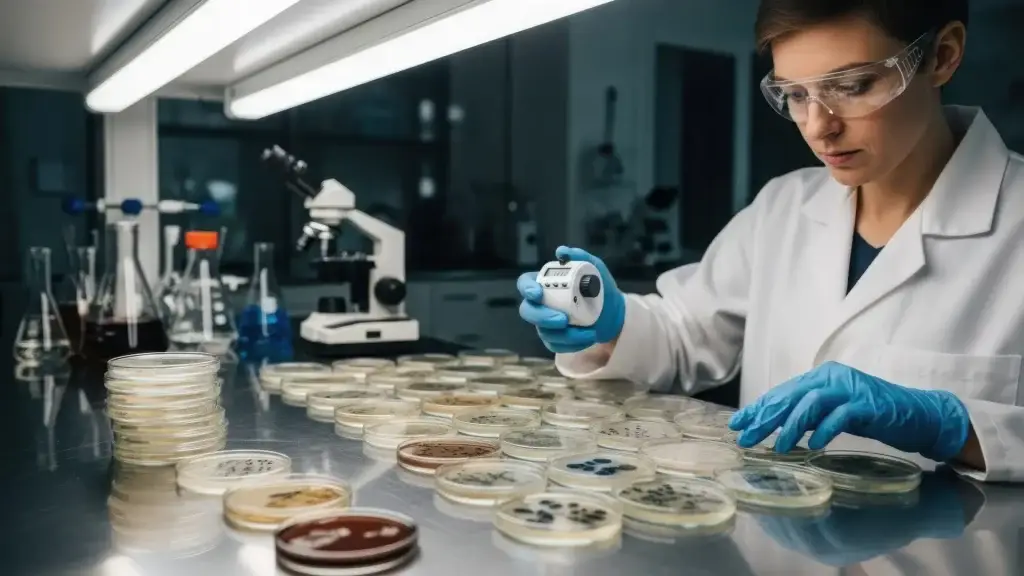
Introduction: Why Water Testing Matters in Jersey City Apartment Buildings
Jersey City is one of the fastest-growing urban areas in New Jersey, with a dense mix of historic apartment buildings, modern high-rise developments, and multi-family rental properties. While municipal water supplied to Jersey City is treated and regulated, the quality of water that actually reaches residents’ taps depends heavily on the condition of building plumbing systems. For apartment buildings in particular, shared infrastructure, aging pipes, and varying usage patterns can significantly influence drinking water quality. This is where professional water testing services become essential.
Water testing services for apartment buildings are designed to identify contaminants, evaluate potability, and provide accurate laboratory data that property owners and managers can rely on. Unlike single-family homes, apartment buildings require a more strategic approach to testing because water quality can vary from one unit to another. Factors such as vertical risers, storage tanks, booster pumps, and plumbing materials all play a role in determining water conditions across the building.
For landlords, property managers, and condominium boards, ensuring safe drinking water is not only a responsibility but also a key part of maintaining tenant trust and regulatory compliance. Residents expect clean, clear, and safe water for drinking, cooking, and daily use. When issues such as discoloration, metallic taste, or odor arise, they often lead to complaints, maintenance requests, and concerns about health and safety.
Professional water testing companies provide certified sampling, laboratory analysis, and expert interpretation of results. By working with certified laboratories and experienced consultants, Jersey City apartment building owners can gain a clear understanding of their water systems and take proactive steps to maintain quality. This blog explores the importance of water testing services, common challenges in apartment buildings, and how professional testing helps ensure safe and reliable water for residents.
Understanding How Apartment Building Plumbing Affects Water Quality
Apartment buildings differ significantly from single-family homes when it comes to plumbing design and water distribution. In Jersey City, many buildings rely on complex systems that include main service lines, vertical risers, horizontal distribution pipes, and individual unit connections. In high-rise buildings, additional components such as booster pumps and water storage tanks are often used to maintain pressure and supply across multiple floors.
These systems create multiple points where water quality can change before reaching the tap. For example, water entering a building may be compliant with municipal standards, but as it travels through internal pipes, it may come into contact with aging materials that affect its composition. Lead service lines, lead solder, and older brass fixtures are still present in some Jersey City buildings, especially those constructed before modern plumbing regulations were enforced.
Corrosion is another major factor that affects water quality within apartment buildings. Over time, pipes can degrade due to chemical reactions between water and plumbing materials. This can lead to the release of heavy metals such as iron, copper, and manganese into the water supply. Corrosion may also cause sediment buildup, which can result in discoloration when disturbed by changes in water flow or pressure.
Additionally, water usage patterns in apartment buildings can vary widely. Units that are unoccupied or rarely used may experience stagnant water conditions, increasing the likelihood of contaminant buildup. Meanwhile, high-demand periods can create pressure fluctuations that disturb sediments within the system.
Professional water testing services are designed to account for these complexities. By collecting samples from multiple locations within a building and analyzing them in certified laboratories, testing experts can identify variations in water quality and determine the underlying causes of any issues. This level of detailed analysis is essential for understanding how apartment building plumbing systems impact drinking water quality in Jersey City.
Common Water Quality Issues in Jersey City Apartment Buildings
Apartment buildings in Jersey City commonly experience a range of water quality issues, many of which are linked to plumbing conditions and infrastructure age. One of the most widely recognized concerns is lead contamination. Lead can enter drinking water through service lines, solder, and fixtures, particularly in older buildings. Because lead exposure poses serious health risks, especially for children and vulnerable populations, testing for lead is a top priority in many apartment complexes.
Heavy metals such as iron, copper, and manganese are also frequently detected in residential plumbing systems. These metals often originate from corrosion within pipes and can affect both the safety and appearance of water. Iron and manganese are commonly associated with brown or yellow discoloration, while copper can give water a bitter taste and cause staining on fixtures and laundry.
Bacteria contamination is another important concern, particularly in buildings with storage tanks, low-flow conditions, or inconsistent maintenance practices. Total coliform bacteria can indicate potential contamination pathways, while E. coli suggests more serious issues related to fecal contamination. Heterotrophic plate count (HPC) testing provides additional insight into overall microbial activity within the system.
Residents may also report taste, smell, and odor issues, which can be caused by a variety of factors including corrosion, chemical imbalances, or microbial growth. These sensory issues are often the first sign that something may be affecting water quality and should not be ignored.
Discoloration, often described as brown or cloudy water, is another common complaint in Jersey City neighborhoods. This is typically caused by sediment or corrosion byproducts being disturbed within the plumbing system. While not always a direct health risk, it is an indicator that further investigation and testing may be necessary.
Professional water testing companies use certified laboratory analysis to identify these issues accurately. By understanding the specific contaminants present and their sources, property owners can take targeted action to improve water quality and ensure safe conditions for residents.
The Importance of Certified Water Sampling and Laboratory Analysis
Accurate water testing begins with proper sampling techniques. In apartment buildings, where water quality can vary from one location to another, it is essential to collect samples in a way that reflects actual usage conditions. Certified water testing experts follow strict protocols to ensure that samples are not contaminated during collection and that they represent the true condition of the water system.
Sampling may include first-draw tests, which capture water that has been sitting in pipes, as well as flushed samples that reflect water flowing directly from the main supply. In multi-unit buildings, samples may be collected from different floors, units, or plumbing points to identify variations in water quality across the property.
Once collected, samples are sent to certified laboratories for analysis. These laboratories use advanced testing methods to detect a wide range of contaminants, including lead, heavy metals, bacteria, and emerging substances such as PFAS. Laboratory analysis provides precise measurements that are essential for determining whether water meets safety and potability standards.
Certified laboratories follow rigorous quality control procedures to ensure the accuracy and reliability of results. This includes calibration of equipment, validation of testing methods, and adherence to regulatory guidelines. The resulting laboratory reports provide detailed information about water quality, including contaminant levels and any exceedances of recommended limits.
Professional water testing companies also provide interpretation of laboratory results. This is a critical step, as raw data alone may not clearly indicate what actions are needed. Experienced consultants help property owners understand the significance of the results and recommend appropriate next steps, whether that involves additional testing, maintenance, or system upgrades.
By combining certified sampling with professional laboratory analysis, water testing services provide a comprehensive and reliable assessment of water quality in Jersey City apartment buildings.
Lead Testing and Compliance in Multi-Family Properties
Lead testing is one of the most critical components of water quality management in apartment buildings. In Jersey City, many older properties still contain elements of legacy plumbing systems that may include lead service lines or lead-based materials. Because lead is not visible, tasteless, and odorless, testing is the only reliable way to detect its presence in drinking water.
Regulatory requirements for lead testing may vary depending on property type and usage, but landlords and property managers are generally responsible for ensuring safe water conditions for tenants. Certified water testing services help meet these requirements by providing accurate and documented laboratory results.
Lead testing often involves multiple sampling methods to determine the source of contamination. First-draw samples can indicate whether lead is present in interior plumbing, while flushed samples can help identify whether contamination originates from service lines. In some cases, additional sampling may be required to fully assess the extent of the issue.
Laboratory analysis for lead is conducted using highly sensitive methods capable of detecting even low concentrations. Certified laboratories provide clear reports that indicate whether lead levels exceed recommended thresholds. These reports are essential for compliance, tenant communication, and planning remediation efforts if necessary.
Working with experienced water testing consultants ensures that testing is conducted correctly and that results are interpreted accurately. This helps property owners take appropriate action and maintain safe drinking water conditions for all residents.
Best Practices for Apartment Building Water Testing in Jersey City
Implementing a regular water testing program is one of the most effective ways to maintain water quality in apartment buildings. Best practices include conducting routine testing at scheduled intervals, as well as additional testing when issues arise or after significant changes to the plumbing system.
Testing should be performed by professional water testing companies that use certified laboratories and follow standardized sampling procedures. This ensures that results are accurate and comparable over time. Property managers should also keep detailed records of laboratory reports, which can be used for compliance, maintenance planning, and tenant communication.
In addition to routine testing, property owners should be proactive in addressing potential risk factors such as aging plumbing materials, corrosion, and system maintenance. Regular inspections, flushing protocols, and timely upgrades can help prevent issues before they become more serious.
Communication with residents is also an important part of water quality management. Providing clear information about testing results and any actions being taken helps build trust and confidence among tenants.
By following these best practices and working with experienced water testing experts, Jersey City apartment building owners can ensure that their water systems remain safe, reliable, and compliant with applicable standards.
Conclusion: Ensuring Safe Water for Jersey City Residents
Water quality in apartment buildings is influenced by many factors, from plumbing materials and infrastructure age to usage patterns and maintenance practices. In Jersey City, where buildings vary widely in design and condition, professional water testing services provide the clarity needed to understand and manage these variables.
Certified water testing companies, laboratories, and experienced consultants play a critical role in ensuring that drinking water remains safe and suitable for everyday use. Through accurate sampling, advanced laboratory analysis, and expert interpretation, these services help property owners identify risks, address issues, and maintain compliance.
For landlords, property managers, and condominium boards, investing in professional water testing is not just a regulatory requirement—it is a proactive step toward protecting residents, preserving infrastructure, and maintaining property value.