
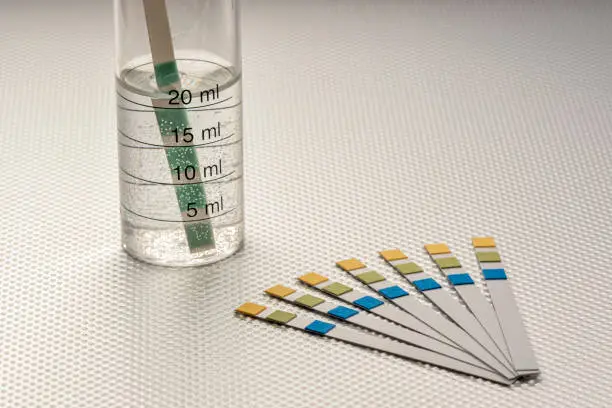
When most homeowners think about water testing, they imagine a simple outcome: one test, one result, one answer.
But real water systems do not work that way.
In Jersey City homes and buildings, water quality is shaped by a combination of plumbing materials, fixture conditions, usage patterns, and system behavior over time. That means a meaningful water report should do more than confirm or dismiss a single concern—it should explain the broader picture behind what is happening inside the system.
Certified water analysis is designed to do exactly that.
Why One Number Is Not Enough
A single test result can answer a narrow question, but it often creates new ones.
For example:
- A lead result does not explain why it appears
- A bacteria result does not describe overall water chemistry
- A PFAS result does not reflect plumbing influence
- An iron reading does not show system-wide behavior
Without context, one number can leave homeowners uncertain about what it actually means.
Why Water Systems Are More Complex Than They Seem
Inside any property, water moves through a network of:
- Pipes made from different materials
- Fixtures with varying age and condition
- Branch lines that serve specific areas
- Sections that may have been upgraded at different times
This creates variation within the same home, meaning water at one faucet may not represent water everywhere else.
Understanding how these factors interact is essential for interpreting results correctly.
What Certified Water Analysis Actually Includes
A comprehensive analysis typically looks at multiple categories at once, such as:
- Metals like lead and copper
- Microbiological indicators such as bacteria
- PFAS and other chemical contaminants
- Potability markers that describe overall water condition
- Corrosion-related indicators that explain system behavior
Each category adds another layer of understanding.
Structured water testing services are designed to bring these layers together into one coherent report.
Why Context Turns Data Into Meaning
Numbers alone do not provide answers—they require interpretation.
For example:
- A metal level may be influenced by corrosion conditions
- A bacteria result may depend on sampling location and timing
- A PFAS finding may need to be understood alongside other indicators
When results are viewed together, they begin to tell a story about how the system is functioning.
Why Metals Should Be Read Together, Not Alone
Lead often gets the most attention, but it rarely tells the full story by itself.
When paired with copper and corrosion indicators, it becomes easier to understand:
- Whether plumbing materials are influencing results
- How water chemistry interacts with pipes
- Whether conditions are stable or changing
This combined view is far more useful than a single isolated measurement.
Why Corrosion Indicators Are a Key Piece of the Puzzle
Corrosion is one of the most important—but often overlooked—factors in water analysis.
It helps explain:
- Why metals may appear in water
- How plumbing materials are reacting over time
- Whether conditions may shift in the future
- How different parts of the system behave
Without corrosion data, many results remain incomplete.
Why Microbiological Testing Adds Another Dimension
Bacteria testing introduces a completely different type of insight.
It can:
- Reveal conditions not visible through metals testing
- Reflect how water behaves under different usage patterns
- Highlight areas of stagnation or inconsistent flow
This makes it an important complement to chemical and metal analysis.
Why PFAS Expands the Scope Beyond Plumbing
PFAS testing addresses concerns that are not always tied directly to pipes or fixtures.
It helps answer:
- Whether environmental contaminants are present
- How water quality may be influenced beyond the property
- Whether additional evaluation is needed
Including PFAS in the analysis creates a more complete picture.
Why Potability Indicators Bring Everything Together
Potability markers provide a broader understanding of water condition by measuring:
- General chemistry
- Stability of the water
- Interaction with plumbing materials
These indicators help connect individual findings into a cohesive assessment.
Why Jersey City Homes Require a Broader Approach
Properties in Jersey City often include:
- Older infrastructure combined with modern upgrades
- Mixed plumbing materials within the same system
- Multi-unit buildings with shared water lines
- Variation in usage patterns across different spaces
These conditions make it especially important to move beyond single-issue testing.
Understanding how systems vary across Jersey City buildings helps explain why broader analysis is necessary.
Why One Test Can Lead to Misinterpretation
When only one parameter is tested, homeowners may:
- Overestimate the importance of a single result
- Miss related conditions affecting the system
- Assume the issue is larger or smaller than it is
- Lack direction for next steps
A broader analysis reduces this risk.
How Certified Analysis Supports Better Decisions
When water data is comprehensive, it becomes more useful for:
- Identifying whether issues are localized or widespread
- Deciding if plumbing changes are necessary
- Determining whether follow-up testing is needed
- Communicating findings clearly to professionals
This leads to more confident and informed decisions.
Why Testing Should Reflect Real Use Conditions
A strong report considers not just what is tested, but how it is tested:
- Which fixtures are selected
- When samples are collected
- How water is used before sampling
- How different areas of the property are represented
These factors influence how meaningful the results will be.
Why Interpretation Matters After Testing
Even the best data needs explanation.
Homeowners benefit from understanding:
- What each result means in context
- How findings relate to each other
- Whether results indicate a pattern
- What actions, if any, are appropriate
If questions arise, the FAQ section can help clarify common testing terms and outcomes.
Why Water Quality Problems Need a Broader Lens
Water concerns rarely exist in isolation.
They may involve:
- Multiple contaminants interacting
- Plumbing conditions influencing results
- Usage patterns affecting outcomes
- Building-specific factors shaping the system
Understanding broader water quality problems helps place individual findings into perspective.
Why Local Expertise Improves Results
Working with a provider familiar with Jersey City ensures:
- Testing plans reflect real building conditions
- Results are interpreted with local context
- Sampling strategies match property types
- Guidance is practical and relevant
Checking service locations helps confirm availability in the area.
Moving Beyond Simple Answers
The biggest advantage of certified water analysis is that it moves homeowners beyond yes-or-no answers.
Instead of asking:
- “Is there a problem?”
They can ask:
- “What is happening in the system, and why?”
That shift leads to much better understanding.
Final Thoughts
Water testing should not leave homeowners with more questions than answers. A single number may confirm a concern, but it rarely explains the full situation.
Certified analysis provides a broader, more meaningful view by combining multiple parameters into one structured report.
Because in Jersey City homes, the real value of water testing is not just identifying one issue—it is understanding how the entire system is behaving and what that means for the people using it every day.