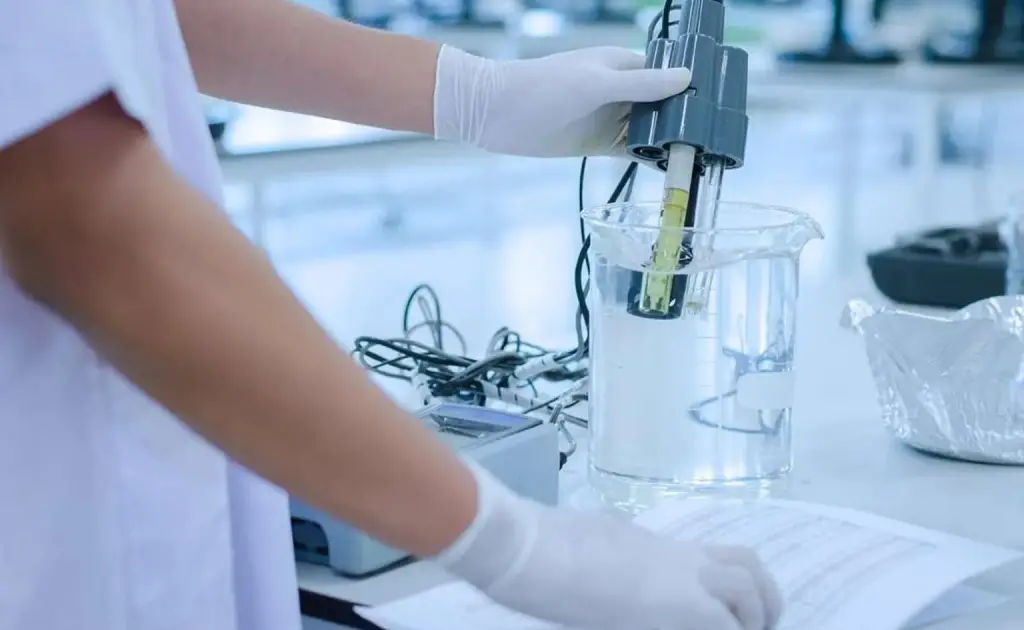
When homeowners or property managers decide to address water quality concerns, the focus almost immediately shifts to the final laboratory report. There is a natural human desire to jump straight to the answer: Is my water safe or not? However, in the world of water analysis, the “how” and the “where” of your testing protocol are just as important as the final data points.
If your sampling plan is flawed, the final report may be misleading, potentially providing a false sense of security or, conversely, causing unnecessary alarm. To get a truly accurate picture of your water quality, you need a strategy that reflects the reality of how your building’s plumbing actually functions.
The Pitfalls of a Haphazard Approach
Many people treat water testing as a simple “collect and send” task. They might take a sample from the kitchen tap at a random time of day and call it a day. While this provides a snapshot, it lacks the context needed to make informed decisions about your water quality problems.
A weak testing plan often fails to account for:
- Stagnation Times: If water hasn’t moved through the pipes for several hours, it collects contaminants (like lead or copper) from the plumbing material. This is known as a “first-draw” sample. If you test after the pipes have been flushed for ten minutes, you might miss evidence of leaching entirely.
- Location Variability: In a multi-unit property or a large home, water quality can vary from the basement to the top floor. Testing only one tap may leave you blind to issues in other parts of the building.
- Environmental Factors: Seasonal changes, recent construction in the neighborhood, or changes in water pressure can all influence what ends up in your glass.
Building a Robust Testing Strategy
A professional approach to water safety involves a structured plan. If you are serious about protecting your household, consider these key elements of a strong testing strategy:
1. Define Your Objectives
Before you collect a single sample, ask yourself what you are looking for. Are you concerned about lead in an older structure? Are you investigating potential PFAS exposure? Are you looking for a baseline analysis? Defining your goals allows you to select the right testing parameters, rather than wasting resources on a broad, non-specific test.
2. Standardize Your Sampling Conditions
Consistency is key to a reliable test. For lead, for example, many protocols require “first-draw” samples (water that has been sitting in the pipes for at least six hours). By standardizing how you collect the sample, you ensure that the results are repeatable and scientifically meaningful. This is particularly important for Jersey City buildings, where the age of the infrastructure can make the results highly sensitive to collection timing.
3. Identify High-Risk Points
Not all taps are equal. Focus your efforts on the locations that matter most:
- Primary Drinking Taps: The kitchen sink or any tap used for drinking and cooking.
- High-Traffic Areas: Taps in children’s bedrooms or bathrooms.
- Points of Entry: Testing near the main shut-off valve can help distinguish between issues in the municipal supply and issues caused by your home’s internal pipes.
Why Professional Guidance Matters
The technicality involved in creating a reliable sampling plan is why many property owners benefit from professional water testing services. A professional understands the nuances of plumbing chemistry and the local landscape in ways that an over-the-counter kit simply cannot match. They can help you design a plan that is both cost-effective and clinically relevant to your specific building.
Turning Data into Action
A report is just paper if you don’t know how to interpret it. A strong testing plan includes a clear path for what happens after the results arrive. Does the data point to a need for a point-of-use filter? Does it suggest a need for a building-wide plumbing audit?
If you are just beginning this process, our FAQ section offers a great overview of what to expect during a professional assessment. Understanding the process—from the initial sampling plan to the interpretation of the laboratory findings—is the best way to ensure that your decisions are based on facts rather than assumptions.
When it comes to your family’s health, you shouldn’t have to guess. By prioritizing the planning phase of your water test, you ensure that the final report provides the clarity and peace of mind you deserve. If you’re ready to move forward, feel free to contact us to discuss how we can help you build a testing plan that fits your property.
Are you planning to test your water soon, and have you considered which taps in your home represent the greatest risk for your family?