
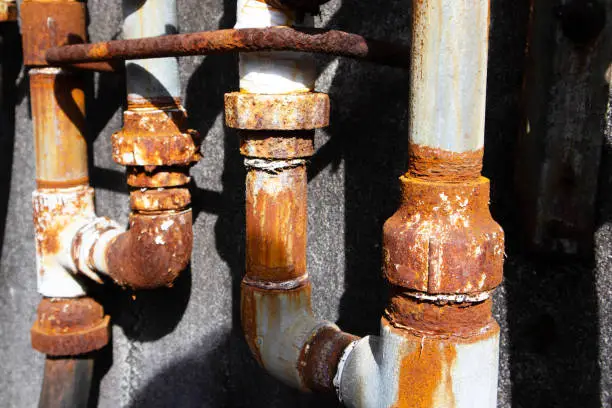
From the outside—or even inside a renovated apartment—many Journal Square buildings appear simple and consistent. Clean finishes, updated kitchens, and modern fixtures can give the impression that the entire system behind the walls has been upgraded.
But in reality, many of these buildings carry layered plumbing histories that are far more complex than they appear.
Over time, selective repairs, partial renovations, and fixture replacements create a patchwork system where different sections of plumbing reflect different eras. That hidden variation can directly influence how water behaves at the tap.
Why Plumbing History Is Rarely Uniform
Most buildings are not upgraded all at once. Instead, changes happen gradually:
- A unit gets renovated while others remain unchanged
- Fixtures are replaced during maintenance work
- Pipes are repaired in sections rather than system-wide
- Older infrastructure remains connected to newer components
This creates a system where multiple generations of plumbing exist side by side.
How Phased Renovation Creates Variation
In Journal Square properties, renovation often occurs in phases:
- One apartment may be fully updated
- Another may have only fixture replacements
- A third may retain original plumbing
Even within a single unit:
- The kitchen may be newer than the bathroom
- Certain lines may have been replaced while others were not
These differences can lead to inconsistent water conditions across the same building.
Why Fixture Turnover Does Not Equal System Replacement
Replacing fixtures like faucets or sinks improves usability and appearance, but it does not always address:
- Older pipes behind walls
- Shared plumbing systems in multi-unit buildings
- Vertical risers connecting multiple floors
- Main distribution lines serving the property
This means new fixtures may still deliver water influenced by older infrastructure.
Why Different Lines Can Tell Different Stories
Water does not travel through one uniform path.
Instead, it moves through:
- Branch lines serving specific rooms
- Vertical risers connecting multiple units
- Shared systems across the building
Each path may:
- Use different materials
- Have different ages and conditions
- Experience different usage patterns
This creates variation that cannot be seen—but can affect results.
Why One Apartment May Not Represent the Whole Building
In buildings with uneven plumbing histories:
- One unit may show stable conditions
- Another may reflect older infrastructure
- A third may show effects of recent repairs
This variation means:
- A single test cannot define the entire building
- Observations in one unit may not apply elsewhere
- Patterns must be evaluated across multiple locations
Understanding how systems differ across Jersey City buildings helps explain why this variation is common.
Why Corrosion Conditions Can Vary Within the Same Property
Corrosion depends on:
- Pipe material
- Water chemistry
- Flow patterns
- Age of the system
In a mixed plumbing environment:
- Older sections may behave differently than newer ones
- Some lines may show more interaction with water
- Conditions may change from one fixture to another
This makes corrosion an important factor in understanding uneven results.
Why Renovation Can Mask Underlying Conditions
A newly renovated space can give a sense of certainty:
- Everything looks new
- Fixtures function properly
- No visible issues are present
But beneath the surface:
- Older pipes may still be in use
- Shared systems may remain unchanged
- Hidden sections may behave differently
This creates a gap between appearance and reality.
Why Testing Needs to Reflect This Complexity
In buildings with uneven plumbing histories, testing should consider:
- Multiple units where possible
- Different floors or sections of the building
- Both renovated and non-renovated areas
- Fixtures with varying usage patterns
Without this approach, results may reflect only one part of the system.
How Certified Water Analysis Helps Identify Patterns
Professional testing can help determine:
- Whether a concern is localized to one fixture or unit
- If similar results appear across multiple locations
- Whether plumbing variation is influencing outcomes
- If a pattern exists within the building
Reliable water testing services provide structured data that supports this level of analysis.
Why Isolated Results Can Be Misleading
Without broader context:
- A single result may appear more serious than it is
- A localized issue may be mistaken for a building-wide problem
- A temporary condition may seem permanent
- Patterns may go unnoticed
This is why interpretation must consider the building as a whole.
Why Water Behavior Can Change Over Time
In mixed plumbing systems, conditions are not static.
They may change due to:
- Continued renovation work
- Shifts in water usage
- Maintenance or repairs
- Natural aging of materials
This makes ongoing awareness important.
Why Residents and Managers Need Better Clarity
Uneven plumbing histories can create confusion for:
- Residents trying to understand their water
- Property managers addressing complaints
- Maintenance teams identifying causes
Clear, data-based understanding helps everyone involved.
Why Water Quality Problems Need a Broader Perspective
Issues in one part of a building may relate to:
- Local plumbing conditions
- Shared infrastructure
- System-wide behavior
- External supply factors
Understanding general water quality problems helps place individual findings into context.
Why Communication Improves With Better Information
When testing reflects the building’s complexity:
- Differences between units become easier to explain
- Concerns can be addressed more accurately
- Decisions are based on evidence rather than assumptions
- Stakeholders can work from the same understanding
Why Local Knowledge Matters
Journal Square buildings often share characteristics such as:
- Older construction with layered upgrades
- Multi-unit layouts with shared systems
- Renovations completed over long periods
Working with a provider familiar with these conditions ensures:
- Testing plans reflect real building environments
- Results are interpreted correctly
- Recommendations are practical
Checking service locations helps confirm availability.
If additional guidance is needed, the FAQ section provides answers to common water testing questions.
Turning Hidden Complexity Into Clear Insight
Uneven plumbing history is not a problem by itself—it is a reality of how buildings evolve over time.
The key is understanding how that history affects:
- Water quality
- Fixture behavior
- System consistency
Testing turns hidden complexity into something measurable and understandable.
Final Thoughts
Journal Square buildings often look straightforward on the surface, but behind the walls, they can contain multiple generations of plumbing working together in uneven ways.
That variation can shape the water at the tap in ways that are not immediately visible.
Certified water analysis helps reveal whether a concern is isolated or part of a broader building pattern.
Because in real properties, the true story of water quality is not what the building looks like today—it is how its entire plumbing history continues to influence every drop that flows through it.